



Tires are vital for maintaining control when you drive. They grip the surface with the tread and ensure your Chevy handles just like it’s designed to. Tires, however, are made from rubber and will eventually wear out. As your Chevy dealer, we’d like to tell you some signs that you may need new tires from us.
Your Tires Are Out of Warranty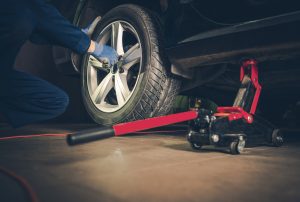
All major tire manufacturers place a warranty period on their tires. This warranty period is determined in consultation with their engineers and represents the optimum lifespan of a tire. To maintain the warranty, you need to have your tires rotated regularly to prevent excessive wear. Once the warranty period is up, their recommendation is to replace your tires.
You may, however, not want to replace your tires when the warranty expires if they still appear to be in good condition. If you continue to drive on these tires, we advise that you bring your Chevy to our service department. Our Chevy-trained technicians can test the tire to confirm they’re safe for you to drive on. If one or more of the tires shows signs of wear, we can fit replacements for you.
Bulge in the Sidewall
The sidewall of your tires is the rubber section that is perpendicular to the tread. This section of a tire is made from thinner and softer rubber than the tread. It doesn’t need the extra reinforcing the tread has, as it’s not subject to abrasion from contact with the surface. The sidewall can still get damaged, and this can weaken your tire.
A bulge in the sidewall is usually created through sharp contact with a hard surface, for example hitting a curb. The force of the blow pinches the tire and forces air into the damaged section, which then swells up. This bulge is dangerous, as it’s full of air and stretches the surface of the tire. If the tire gets too hot, the bulge could rupture, and your tire will blow. We recommend replacing a bulging tire ASAP.
Your Tire Pressure Is Low
You may notice that your tires lose air regularly. This loss of air is minor. It’s caused by the atmosphere in the tires equalizing with the outside atmosphere. The solution to this is to top up the air to your tire’s recommended air pressure. If your tires are losing air much faster, you could have a tire leak.
A leak in a tire can easily cause a flat. Air can leak from even the smallest hole in a tire and rapidly deflate it. Our technicians will examine them and find the cause of the air loss.
If you have any problems with your tires, come and see us at Randy Wise Chevrolet.
Connect with us

